
How Special Effects Have Changed Over the Years
by: keaton marcus
A VISUAL TIME LINE FROM 1906-2019

“Avatar”, released in 2009.
You look at films today, with big macho budgets ranging up to nearly 400 million dollars spent just on 120 minutes or so of moving pictures, take the “Avengers” franchise in to hand, the usage of something called CGI is non stop. It’s almost in every scene.
It was not always like that, have you ever watched the famous films almost 90 years ago? Pictures like “Metropolis”, or the Fay Wray starring “King Kong”, both made in the 20’s and 30’s, and both considered a marvel of special effects, but not with CGI.
Even before that, even over 100 years ago appeared pictures that ran just seven minutes long, but dazzled audiences even without big action sequences, with smaller scale sort of magic tricks used for entertainment. Now, I will take you on a time line of special effects from 1906-2019, yep 113 years of wonders.
1906-The Beginning
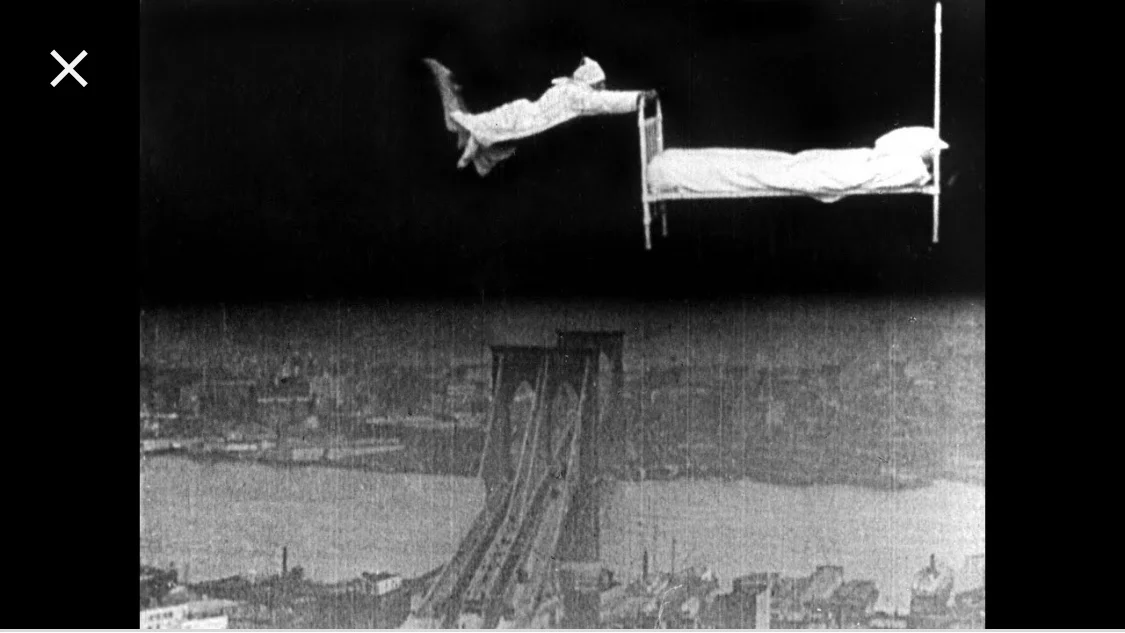
Above is a picture of a short film called “Dream of a Rarebit Fiend” directed by Edwin S. Porter. The film depicts an old man having trouble going to sleep, after a long night of alcohol. Soon after, three devil characters appear on the head of his bed, and he starts to fly through the city. The first marvel of special effects without CGI. The film ended the biggest hit for the studio the year 1906.
1927-1954-DYSTOPIAS, AND CREATURE-FEATURES

Above you see one of the first films with special effects used on a massive scale, “Metropolis” which debuted in theaters 1927, opening to wonderful critical appraise, especially for the visuals. Directed by Fritz Lang, the film depicts a haunting vision of the future. It centers on a beautiful utopia, which lays on top of a horrible underworld filled with mis treated workers. The special effects of the cities, and flying cars were created by miniature models, and mirrors to make illusions that actors are on the little sets. The film grossed over 1.2M in 1927, counting to an inflated total of 18.1M.
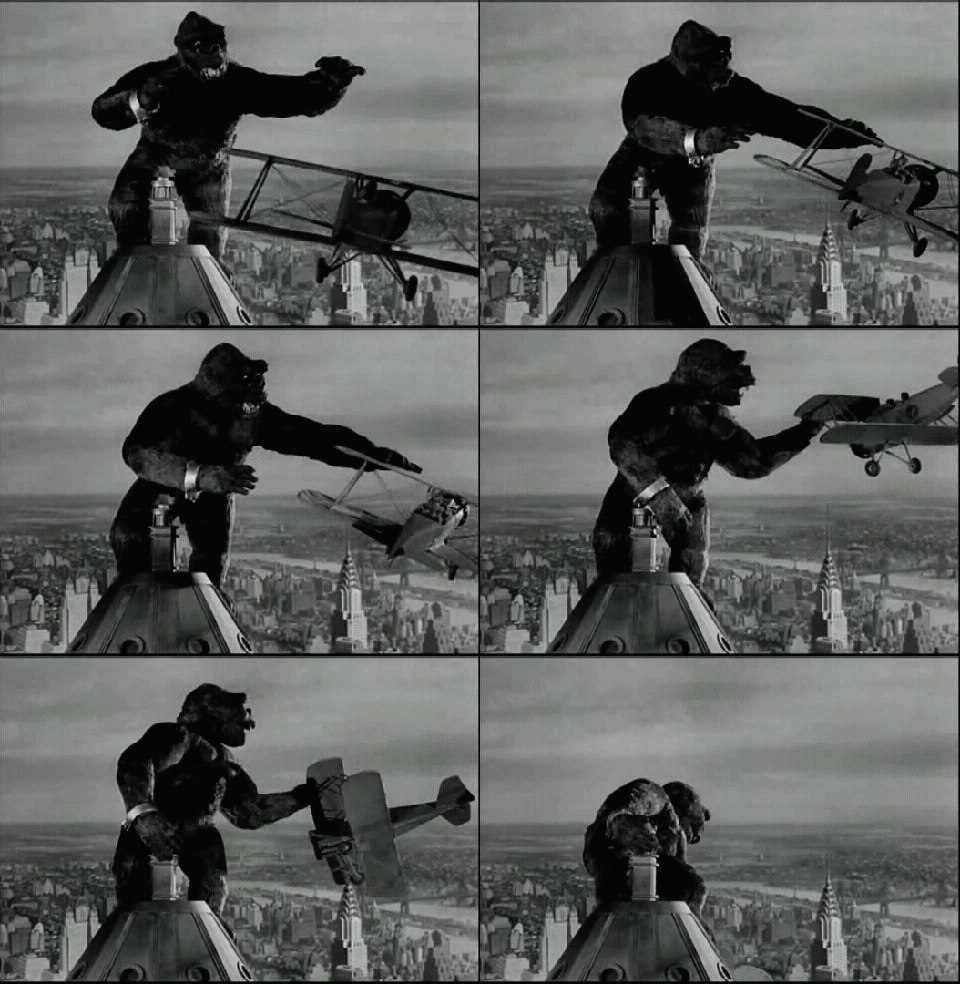
The photo right above shows an image for the motion picture “King Kong”, the original, made in 1933. The picture was a one of a kind, the primary film to capture a giant monster in moving action. The film was praised for its innovative usage of special effects, taking stop-motion animation, miniature sets, and some full-scale practical models. It inspired a whole genre, and a whole load of fans for creature-features to come. The monster flick earned 10M at the 1933 domestic box office, for an inflated gross of 196.9M.

Above is another creature-feature inspired by the great “King Kong”, “Godzilla”, released in 1954. The singular film inspired a massive money-making franchise, and a whole new monster icon. The film also used big models, and little sets, another innovative, low-budget piece of work; proving once again that there are always ways of creating wonders without expensive budgets. The big ol’ lizard earned only 491K at the 1954 domestic box office, translating into 4.6M today. Despite the little interest, the film garnered a massive franchise.
1968-1977-flying High in space
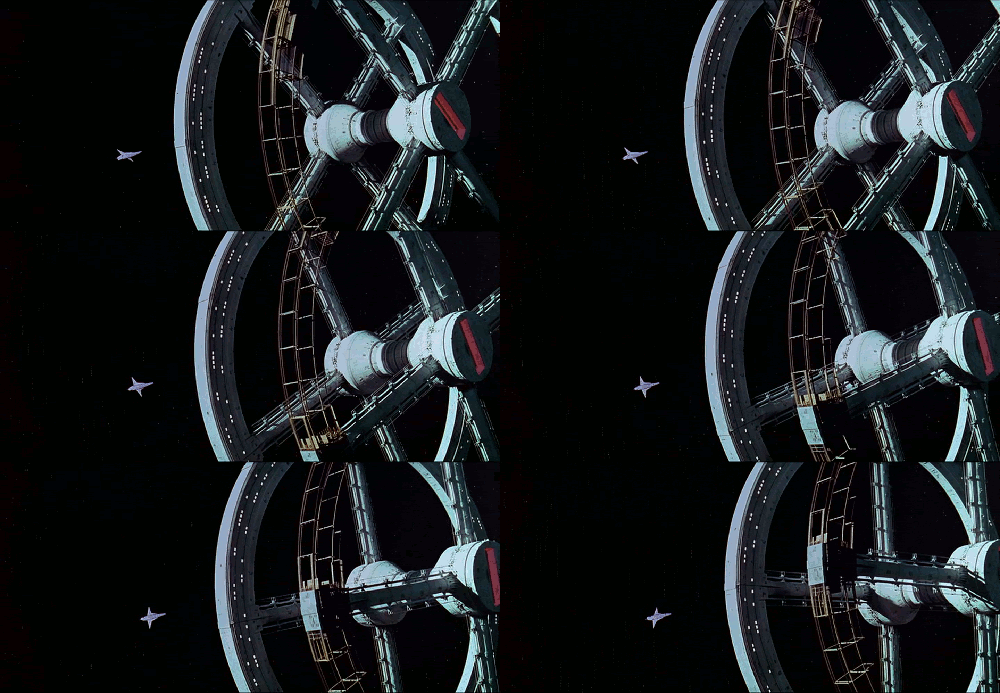
Forget monsters, and dystopias, what you’re looking at above is a dazzling look at space in the movies. Nope, it’s not CGI, “2001: A Space Odyssey” used a miniature rear-projected image of a window in a spacecraft, green screens, various models and even backdrops filled with stars. It ended a dazzling achievement, again without CGI. The space adventure grossed 56.7M in 1968, and with the inflation, today it would make an outstanding 417.3M.

Above is 1977 released sci-fi adventure “Star Wars”, the beginning to a marvelous franchise that inspired countless fans. The film was directed by George Lucas, and was another successful example of a large scale action feature without CGI. The picture used miniature models, practical effects and painted backgrounds with astonishing detail. “Star Wars” was an astonishing hit, grossing 307.2M domestically, and with the two re-releases, a total of 460.9M in North America. With the inflation, its 1.2B, and with the inflation and the re-releases, it tops 1.9B, making it the largest film of all time.
THE 80’S AND THE 90’S-THE RISE OF CGI

Showing on top is James Cameron’s masterful sequel, “Aliens”, the first film to use CGI on a large scale, in many scenes. The film was released in 1986, and looked as good as many films released today. The sci-fi horror was loaded with action sequences, lots of guns, and well Xenomorphs to film. It inspired many sequels, and the genre today, surprising critics with both dazzling visuals and compelling suspense. Grossing a solid 85.1M in 1986, the inflation translates into an impressive 198.6M today.

Another sequel to use CGI to a predecessor that didn’t was another James Cameron classic, “Terminator 2: Judgement Day”. While the original was just models, and a lot of make-up, the sequel was full-blown expensiveness. Costing 102M back then, translating to 191M today—the action flick was full of loud, dazzling action sequences. These particularly violent affairs included a new version of a Terminator, whose body could melt into liquid, this was the biggest razzle-dazzle of the film. “Judgement Day” earned 205.8M back in 1991, translating into a whopping 385.4M today.
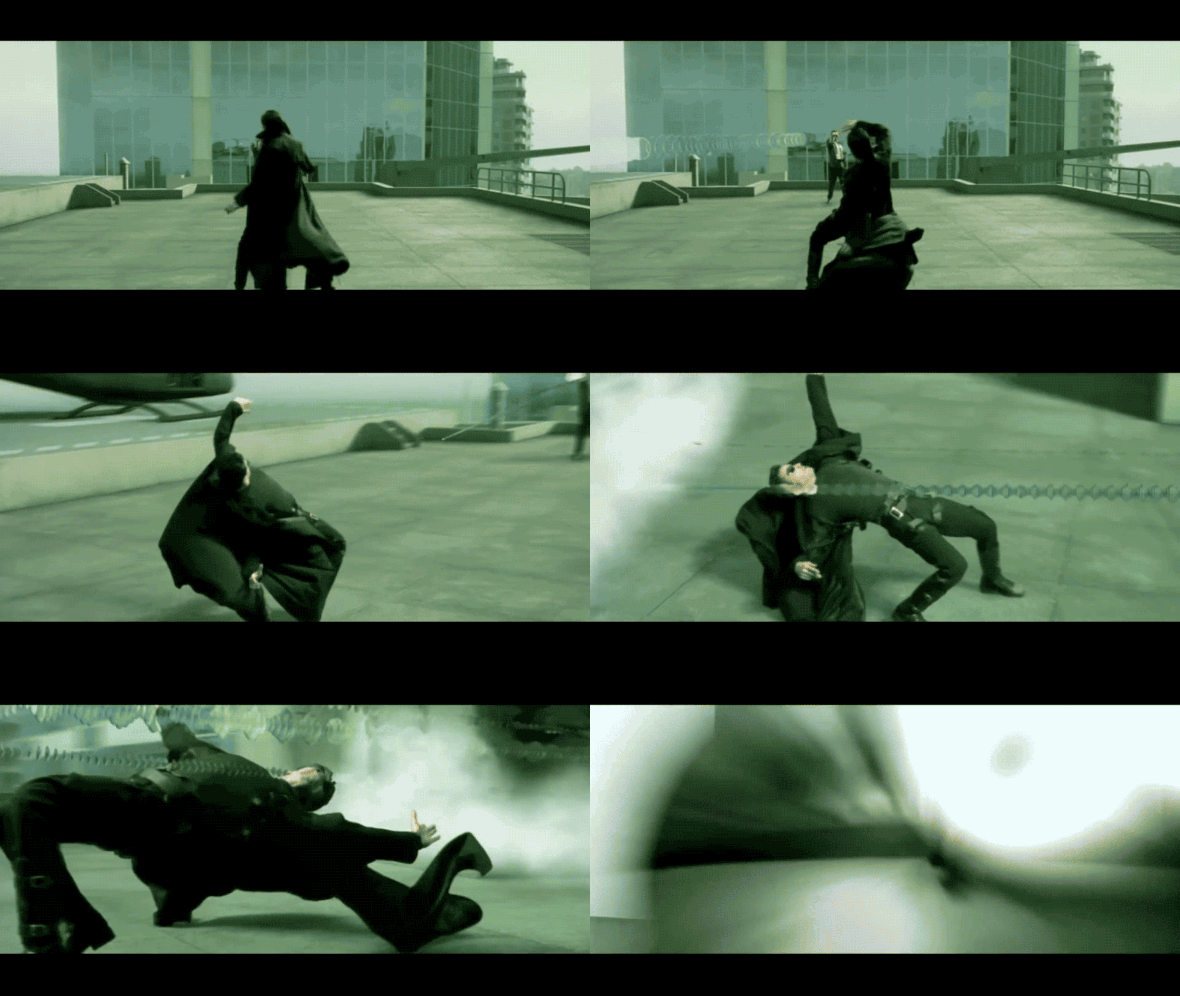
Later on, released in 1999, was another CG’d wonder to audiences back then, and even today. That wonder is “The Matrix”, one of the most visually inventive films of all time. The film only cost 96M to make today, and was a huge hit financially, and critically—with many slow-mo action sequences, which included robots, martial arts with fantastical elements, and rollicking gun fights. The sci-fi pic delivered 171.4M 20 years ago, making a inflation translation to 262.8M today.
2000-2019-THE DAZZLING SPECIAL EFFECTS OF TODAY
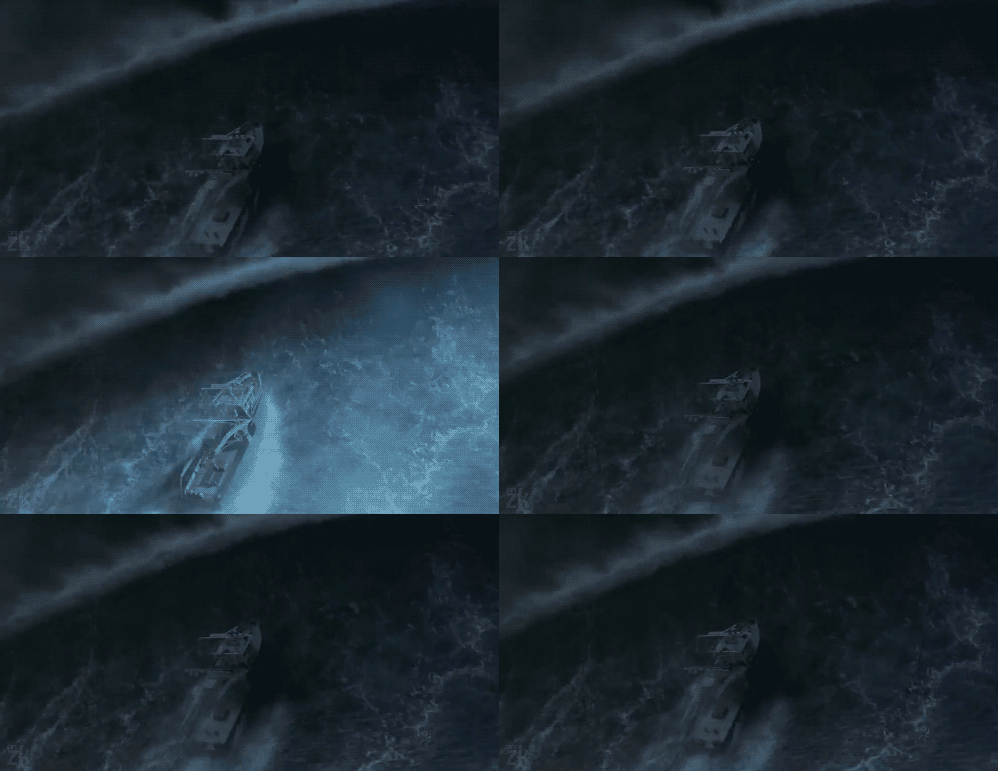
“The Perfect Storm”, a CGI laden film released in 2000.
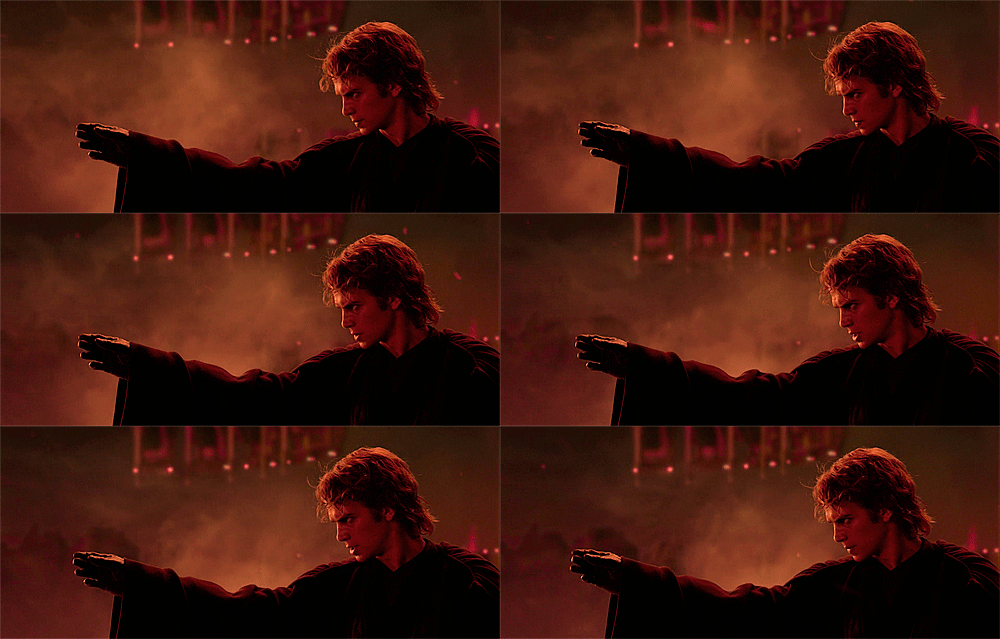
“Star Wars: Episode III - Revenge of the Sith”, one of the first “Star Wars” flicks with CGI. Released in 2005.
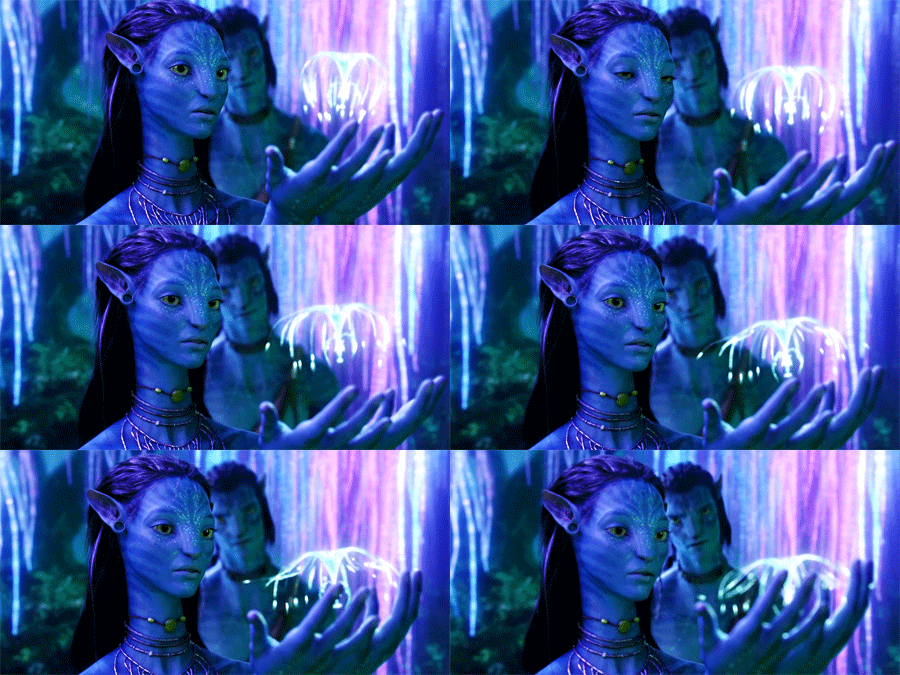
“Avatar”, a modern James Cameron film, was considered one of the most visually impressive films of all-time. Released in 2009.

A “Godzilla” reboot, considered a technical marvel. Released in 2014.
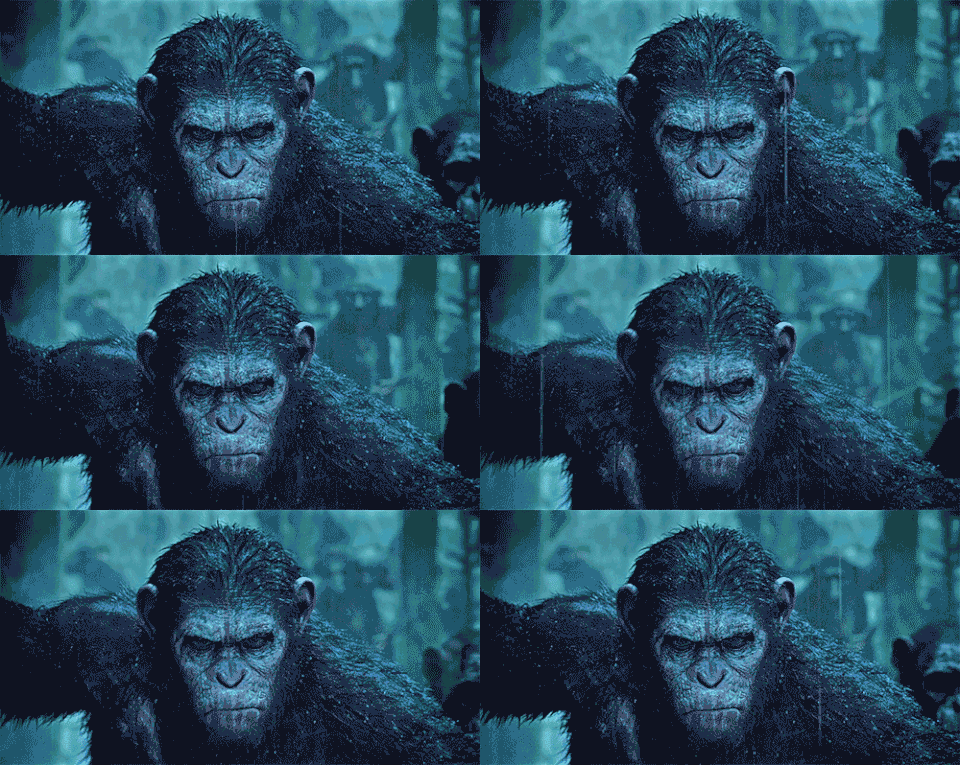
“War for the Planet of the Apes” was praised for its magnificent attention to detail in its CGI, and visual effects. Released in 2017.
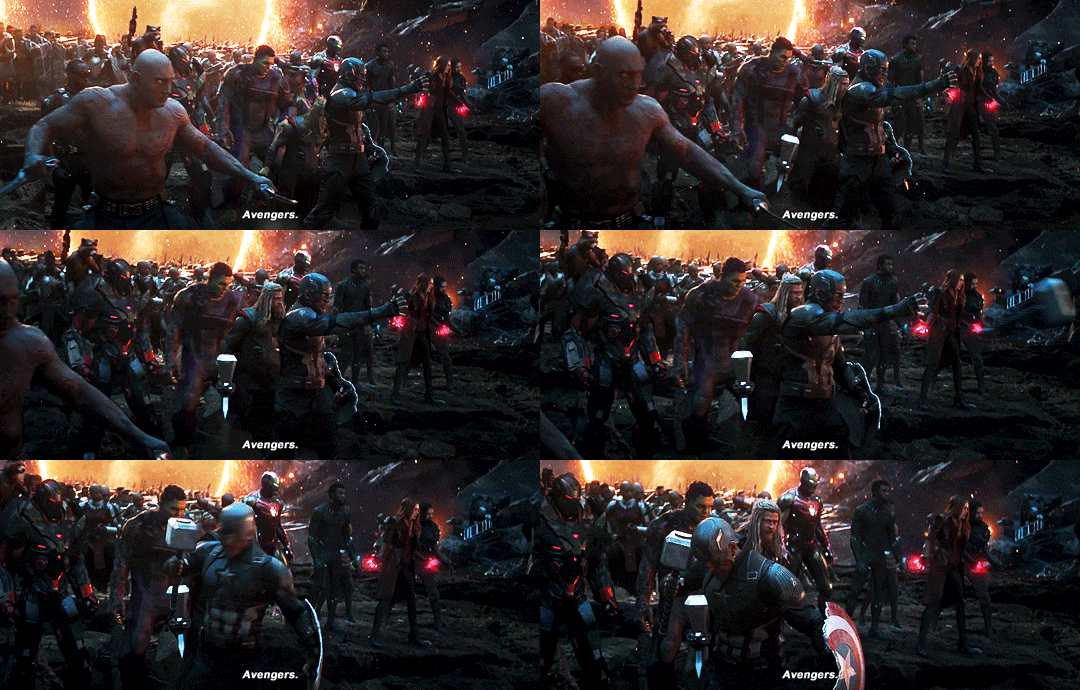
“Avengers: Endgame” was a 3-hour epic filled with visual effects, one of the most expensive films of all-time. Released in 2019.
Looking at this visual time line, all the way from 1906, to 2019—you realize that 100 years ago, films didn’t start out like the blockbusters you see today. They were low-budget pieces of innovation, and while CGI and visual effects have brought so much to the table, its good to be reminded by the ancestors of film.
Visual effects used to wow people back then, and while there are certainly moments in film today where the audience is blown away; it’s becoming less, and less frequent. This makes you question what visuals will be like in 20 years? Will they keep pumping the budget up, or will they go back to the old motion-picture roots?